
How Many Years Do All-Season Tires Last?
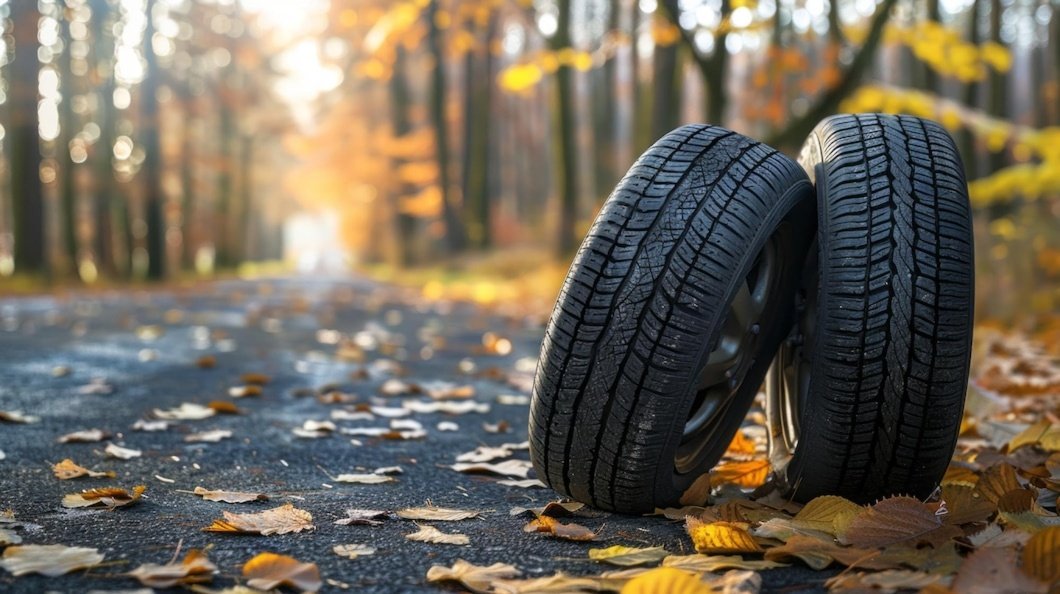
Choosing dependable rubber tread keeps your vehicle rolling without hassle through changing weather conditions every single day. Road surfaces, storage habits, and personal driving choices alter overall product lifespan over time. Most commuters depend on versatile rubber sets engineered to handle unpredictable pavement conditions across different climate seasons.
Drivers ask about expected rubber longevity before purchasing a fresh set for their primary vehicle. At Rim and Tire Pro, we help local drivers select quality sets matching unique daily driving habits. In this blog, we will break down expected lifespans and share practical maintenance tips for you.
Average Lifespan Expectations for Drivers
Standard commuter rubber lasts between three and six years under normal driving conditions. Manufacturer mileage ratings range between sixty thousand and one hundred thousand kilometers total distance traveled. High mileage commuters hit those distance thresholds much faster than occasional weekend motorists ever do.
Rubber compounds degrade over time regardless of actual distance traveled throughout each year. Exposure to cold weather, intense sunlight, and atmospheric ozone accelerates structural aging within rubber layers. Even low-mileage rubber requires replacement after six full calendar years.
Understanding how calendar age differs from total distance helps you make smarter safety decisions for daily commuting. At Rim and Tire Pro, we inspect manufacturing dates stamped into sidewall rubber during every routine checkup.
Factors That Accelerate Tread Wear
Your personal driving habits influence overall tread life far more than you think during trips. Fast acceleration, abrupt braking maneuvers, and quick cornering strip tread rubber fast over time.
- Incorrect inflation pressure causes rapid, uneven edge wear patterns.
- Poor wheel alignment creates severe drag across outer rubber surfaces.
- Skipping routine rotations concentrates heavy wear on specific drive axles.
- Carrying heavy vehicle loads places continuous structural stress on sidewalls.
Neglecting these simple maintenance habits shortens overall lifespan by many thousands of kilometers across seasons. At Rim and Tire Pro, we offer professional wheel alignment services protecting your long-term tire investment. Keeping critical steering components aligned ensures your tread wears at a uniform rate across every road surface you encounter.
Driving over cracked asphalt, pothole-covered streets, or gravel roads strips away rubber compound faster than highway driving. Pothole strikes distort internal steel belts, creating structural imbalances that destroy tread patterns. Routine suspension checks help identify worn components that cause premature scalloping along your tread edges.
Essential Signs It Is Time for Replacement
Recognizing critical wear indicators protects your family vehicle from sudden road hazards or dangerous highway blowouts. Tread depth measuring under three millimeters reduces wet weather braking traction during heavy rains. Shallow tread channels struggle to clear standing water, creating serious hydroplaning dangers on fast highway lanes.
- Cracking or fine checking visible along exterior rubber sidewall surfaces.
- Excessive vibration felt through your steering wheel during normal driving.
- Bulges or abnormal bubbles forming anywhere along structural sidewall rubber.
- Tread wear indicator bars running flush with surface blocks.
Frequent visual checks catch small surface flaws before major failures happen on busy highway stretches. Built-in tread wear bars align flush with surrounding rubber blocks when tread reaches critical replacement thresholds. Ignoring these clear visual warnings compromises your ability to stop fast during emergencies. Inspecting your tread grooves every month keeps you aware of overall degradation patterns before safety hazards arise.
Proper Storage and Maintenance Habits
Extending overall tread longevity requires steady attention throughout every single month of vehicle ownership. Checking your tire inflation pressure monthly prevents unnatural flexing and high internal operating heat buildup. Swapping to dedicated seasonal products during freezing winter weather preserves delicate compound integrity for longer periods.
Storing your off-season sets inside climate-controlled rooms prevents premature rubber cracking and material breakdown. At Rim and Tire Pro, we provide secure climate-controlled storage facilities for your seasonal rubber sets. Storing rubber in temperature-regulated spaces shields delicate internal compounds from extreme weather fluctuations year-round.
Removing road salt, grime, and brake dust prevents chemical degradation of exterior rubber surfaces during storage. Stacking tires in cool spaces avoids permanent flat spots and sidewall distortion over time. Simple winter storage precautions ensure your seasonal sets perform well when spring driving weather returns.
Conclusion
All-season tread delivers exceptional versatility, lasting three to six years with consistent care and proper maintenance. Tracking total mileage, maintaining proper inflation pressure, and performing regular rotations maximizes your long-term product value. Knowing when structural integrity declines keeps your everyday commute safe, smooth, and dependable across every season.
Connect with us at Rim and Tire Pro today to schedule your comprehensive tire inspection or maintenance service.
Back


