
Do All-Terrain Tires Make a Difference?
Vehicle owners sometimes question whether tire selection really impacts their daily driving. The answer carries real importance for safety and handling performance. Many drivers face changing road conditions without realizing how their current setup affects control.
All-terrain tires offer specific benefits that address these exact challenges. At Rim and Tire Pro, we observe how proper tread design changes both routine commutes and weekend trips.
In this blog, we will explore how these tires perform across different terrains. We will also examine who benefits most from the upgrade and what trade-offs to consider. Understanding these details helps you choose equipment that matches your actual driving habits and keeps you secure on every route.
How Tread Architecture Affects Handling
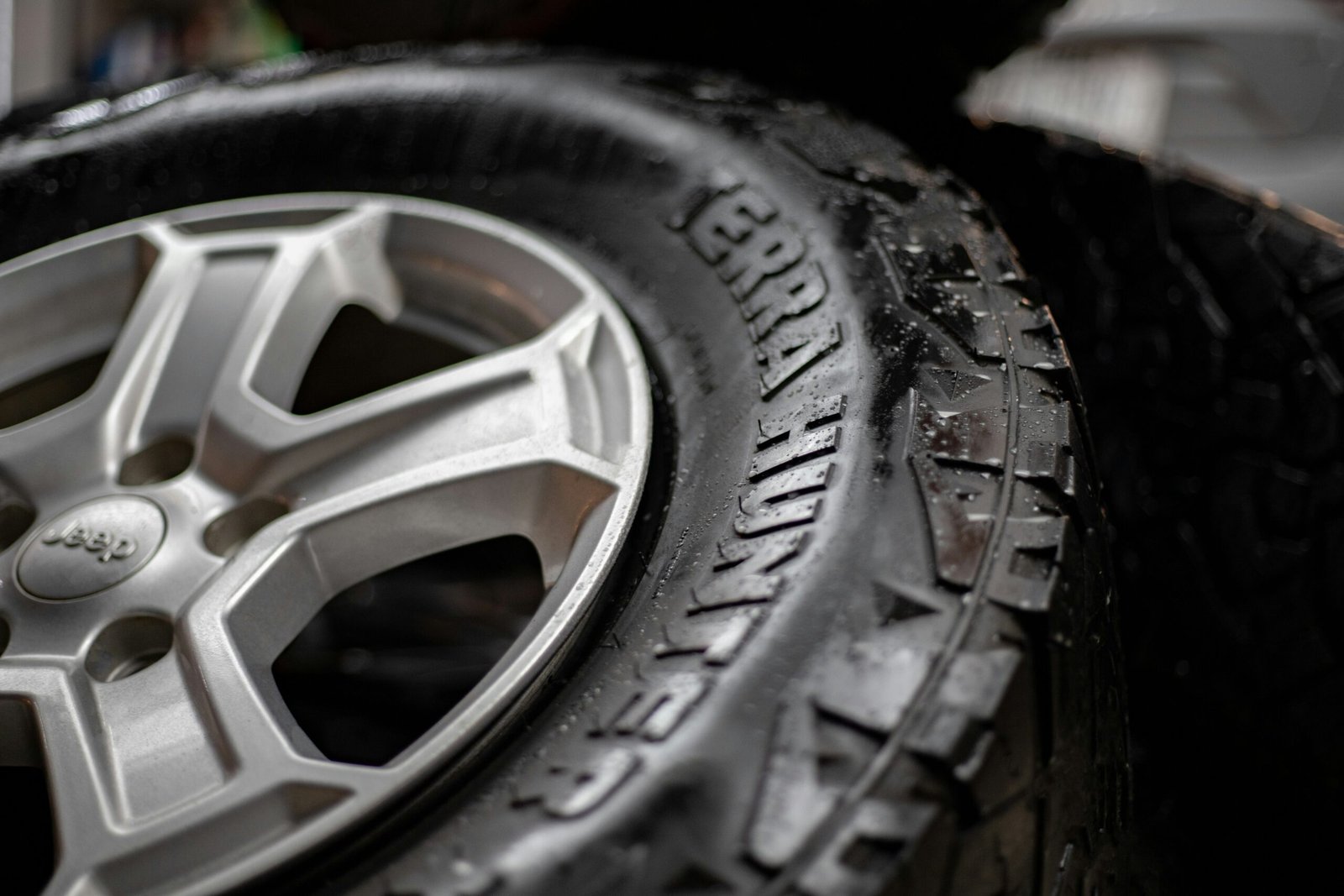
All-terrain tires use aggressive tread patterns with deeper channels. These features improve grip on loose surfaces like gravel or packed dirt. The rubber compound maintains flexibility across seasonal temperature changes. This engineering balances pavement comfort with off-road readiness. Drivers notice better traction while keeping reasonable highway smoothness.
Reinforced sidewalls help resist cuts from sharp rocks or roadside debris. Wider grooves channel water away to lower hydroplaning risk during storms. Tread blocks are spaced to prevent mud or stone buildup.
Managing Real-World Road Variations
These tires handle different environments with steady confidence. They perform well on paved streets while excelling on unpaved routes. Wet asphalt becomes much easier to control during sudden downpours. The tread pattern resists clogging with debris or slush. This versatility supports drivers who face changing conditions throughout the year.
Consider how these features affect your regular routes. The following improvements matter most during actual driving:
- Better grip on loose or uneven ground
- Improved water movement during heavy rain
- Enhanced traction in light winter weather
- Lower chance of getting stuck off-road
Drivers travelling rural roads notice the difference quickly. Those exploring forest trails appreciate the added steering control. Even suburban commuters benefit when seasonal weather shifts. The right tire adapts to your specific environment.
Durability and Maintenance Expectations
All-terrain tires use tougher compounds and reinforced casing. This build resists punctures and sidewall damage from rough terrain. The tread wears more evenly under mixed highway and trail use. Many vehicle owners find these tires outlast standard options in demanding settings. Investing in durability reduces replacement frequency and roadside surprises.
At Rim and Tire Pro, we help you choose tires that match your actual mileage patterns. Our technicians review typical routes and cargo loads. This approach ensures long-term value aligns with daily requirements.
Driver Profiles That Benefit Most
Not every commuter needs all-terrain rubber, but many do. Outdoor enthusiasts exploring backcountry trails gain obvious handling advantages. Rural residents facing unpaved driveways see daily improvements. Commercial drivers navigating varied job sites appreciate the consistent grip. Even city drivers benefit during sudden seasonal weather shifts.
Think about your typical driving schedule before making a change. Review these common scenarios for your decision process:
- Frequent travel on gravel or dirt roads
- Regular exposure to mud, sand, or snow
- Need for reliable traction in changing conditions
- Desire for added confidence during weekend trips
If your routine matches these situations, the upgrade makes practical sense. These tires provide measurable peace of mind when conditions deteriorate.
Trade-Offs to Evaluate First
Selecting tires involves more than just tread appearance. Vehicle weight, suspension setup, and local climate all influence results. All-terrain tires may produce slightly more cabin road noise. Increased rolling resistance impacts efficiency. These trade-offs deserve careful evaluation before switching.
At Rim and Tire Pro, our specialists review your manufacturer specifications and usage habits. We discuss priorities like cabin quietness and tread longevity. This conversation helps identify the most suitable category for your vehicle. Clear expectations lead to better long-term satisfaction. Proper inflation pressure remains critical regardless of tread type.
Installation Precision and Tire Storage
Correct mounting directly affects handling performance and component lifespan. Balancing requires precision to eliminate steering wheel vibrations. Alignment verification ensures even tread wear across all four wheels. Professional service prevents premature damage and maintains factory safety margins.
At Rim and Tire Pro, our technicians complete most installations within scheduled windows. We follow exact torque specifications for every lug pattern. This attention to detail supports optimal performance from the first mile. Our facility also provides seasonal storage solutions for alternate wheel sets. This convenience simplifies tire rotation throughout the calendar year.
Conclusion
All-terrain tires deliver measurable differences for drivers facing diverse road conditions. They provide enhanced traction, structural durability, and operational versatility across surfaces. While not essential for every vehicle, they offer clear advantages for active lifestyles.
Choosing the correct tire type supports safer driving habits. Proper maintenance preserves handling precision and extends service intervals.
At Rim and Tire Pro, we help you select and install the ideal all-terrain tires for your specific needs. Contact us to schedule a consultation. Our team provides detailed recommendations based on your actual driving habits.
Experience the handling improvements proper tires deliver on your next route. Let us match the right equipment to your vehicle and your daily routine.
Back


