
Do All-Terrain Tires Count as Snow Tires for Insurance?
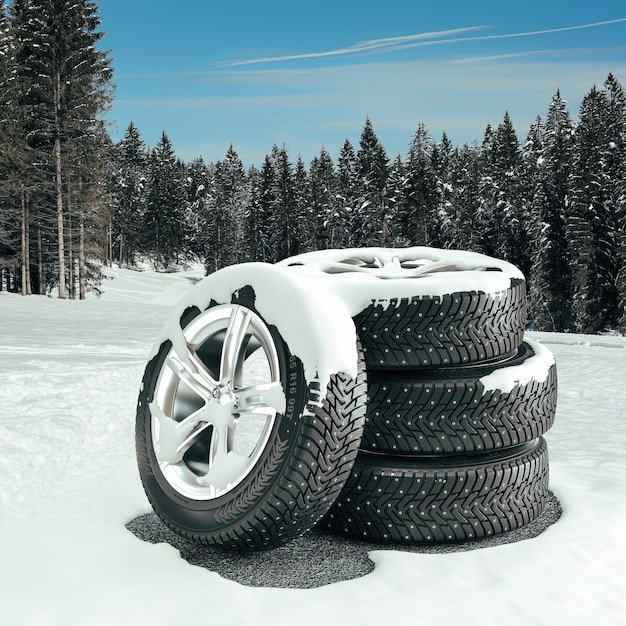
Winter changes how tires grip, how a vehicle stops, and how insurers view your setup. Some tires look ready for snow, but appearance does not matter when it comes to insurance coverage.
At Rim and Tire Pro, we help drivers sort through that difference with tire and wheel service. In this blog, we’ll review the differences and help you make a call.
What Insurance Usually Looks For
Insurance companies do not decide based on tread alone. They look for a tire that meets the winter standard their policy accepts. Drivers with winter tires may qualify for an insurance discount, but the tires still need the correct winter marking. That is the part that matters most.
The mountain-and-snowflake symbol is the clearest sign. If the tire has that marking, it has been tested for winter traction under the proper standard. If it does not, the tire may still perform well in mixed weather, but it may not satisfy your insurer’s winter tire requirement.
What you should confirm:
- Look for the mountain and snowflake symbol
- Use four matching tires on the vehicle
- Read your insurer’s winter tire wording
- Replace worn tires before cold weather
Where All-Terrain Tires Fit
All-terrain tires are built for mixed conditions. They can handle pavement, gravel, light mud, and some winter driving. That makes them appealing for drivers who want one tire set for different roads. Yet the name alone does not make them snow tires.
Some all-terrain tires carry the winter symbol; others do not. If your tire carries the symbol, it may count under your insurer’s winter tire rules. If it does not, you should not assume it will be treated the same way as a true winter tire.
At Rim and Tire Pro, we see this misunderstanding every season. Drivers assume that rugged tread means winter approval, but it does not. The sidewall tells the real story, and that detail can affect safety and insurance savings.
Why the Difference Matters on the Road
Cold weather changes rubber, traction drops, braking distances grow, and packed snow can punish the wrong tire fast. Winter tires remain more flexible in low temperatures, which helps them grip cold roads better than tires made for warmer conditions. That is why your tire choice affects more than comfort.
You may drive the same route every day, yet the road can change within a few blocks. Dry pavement can turn wet, then icy, then slushy. In that kind of weather, a tire that looks capable may still fall short when conditions turn harsh. Insurance rules matter, but road grip matters first.
Signs That Help You Decide
Before you buy, slow down and check the tire itself. A quick look can save you from buying the wrong setup for winter use or for your policy. This is where a careful tire shop can make a real difference.
- Check for the winter symbol on the sidewall
- Confirm the insurer accepts that tire type
- Make sure all four tires match
- Measure tread before the season starts
Rim and Tire Pro also helps with tire storage, wheel alignment, rim repair, and tire repair.
A Smarter Way to Choose
Start with the roads you frequently drive on, then find the tire that suits them. If you face regular snow, ice, and freezing temperatures, a dedicated winter tire gives you a clearer answer for safety and insurance. If you want one tire for several surfaces, an all-terrain option may still work, but only after you confirm the winter marking and policy terms.
That step is easy to skip, yet it carries real consequences. A tire can feel solid in mild weather and still miss the mark in January. It can also fail to meet the rules that unlock a winter tire discount. When you check the details first, you protect both the vehicle and your coverage.
At Rim and Tire Pro, we focus on that kind of practical fit. We look at your driving habits, your vehicle, and the season, then help narrow the options. That keeps the decision clear and your winter preparation on track.
Smart questions to ask:
- Will this tire count for my insurer?
- Does the tire have winter approval?
- Will my usual roads stay icy?
- Do I need a full set now?
Conclusion
All-terrain tires can work in winter conditions, but they do not automatically count as snow tires for insurance. The deciding factors are the winter rating, the sidewall marking, and the language in your policy. When those pieces line up, you have a stronger case for safer driving and the right insurance treatment.
Make a smarter tire choice this season. Connect with Rim and Tire Pro and get advice that puts safety and coverage first.
Back


