
What Are the Disadvantages of All-Terrain Tires?
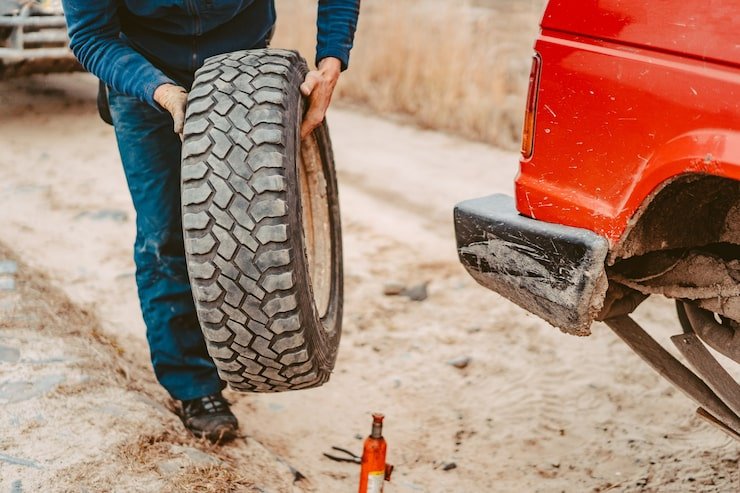
All-terrain tires appeal to many drivers seeking flexibility across various surfaces. These options handle light trails and everyday roads with a rugged tread pattern designed for traction in mixed conditions. However, this selection brings several practical tradeoffs that affect daily driving experiences in noticeable ways.
At Rim and Tire Pro, we have supported vehicle owners like you through tire selections for more than two decades. We understand the real-world impact these tires create for commuters and weekend adventurers alike. Awareness of the downsides leads to smarter choices that align with your driving patterns and vehicle requirements.
Fuel Efficiency Takes a Hit
All-terrain tires feature deeper grooves and more aggressive tread blocks than standard highway tires. This design increases rolling resistance, which forces the engine to work harder during travel. As a result, fuel consumption rises over time, especially on long highway stretches where efficiency matters most.
Drivers report noticeable drops in miles per gallon after switching to all-terrain models. The added drag becomes evident during consistent speeds above city limits. Many find themselves stopping for gas more frequently than with smoother rolling alternatives.
The Noise Factor on Long Drives
The chunky tread on all-terrain tires generates more sound as it contacts pavement. Highway speeds amplify this effect into a constant hum inside the cabin. Passengers comment on the difference after extended trips when compared to quieter tire choices.
At Rim and Tire Pro, we see this issue surface regularly among customers who prioritize comfort. We help evaluate how noise levels influence the overall driving satisfaction for daily users.
Grip Challenges on Wet Pavement
All-terrain tires perform adequately in light rain but lack the refined siping found in dedicated wet-weather tires. Water evacuation happens slower which can reduce contact with the road surface during heavy downpours. Cornering and braking distances may increase under these slippery conditions.
The tread pattern excels off-road yet sacrifices some on-road precision in wet scenarios. Drivers in rainy regions notice the difference during sudden maneuvers or emergency stops. Proper inflation and regular maintenance help, but cannot fully overcome the inherent design limits.
Tread Wear Happens Faster on Roads
Pavement contact wears down the aggressive lugs of all-terrain tires more quickly than on dedicated highway tires. The softer compounds needed for off-road grip accelerate this process during daily commuting. Many vehicle owners see reduced mileage before a replacement becomes necessary.
Several factors contribute to faster degradation in these tires.
- Frequent highway driving
- Underinflation over time
- Aggressive cornering habits
- Exposure to high summer heat
At Rim and Tire Pro, our technicians inspect tread depth during every service to catch issues early. We advise customers on rotation schedules that extend usable life despite the faster wear.
Handling Feels Less Precise at Speed
The taller sidewalls and heavier construction of all-terrain tires alter steering response on paved surfaces. Cornering stability decreases slightly compared to performance or touring tires with lower profiles. This change becomes apparent during quick lane changes or winding road drives.
Vehicle owners accustomed to sharp handling may feel less confident at higher speeds. The added weight also influences braking distances in subtle ways. At Rim and Tire Pro, we evaluate these dynamics when recommending tire swaps for specific vehicles.
Winter Traction Has Some Limits
All-terrain tires offer decent snow traction for light accumulations but fall short of dedicated winter tires in deep snow or ice. The tread compounds harden in extreme cold, which reduces flexibility and grip. Many drivers in northern climates experience slippage during harsh conditions.
Key limitations appear in severe winter scenarios.
- Reduced bite on packed snow
- Longer stopping distances on ice
- Less effective in freezing rain
- Need for supplemental chains in extreme cases
We assist drivers toward hybrid solutions when winter demands exceed all-terrain capabilities.
Upfront Costs Can Add Up
All-terrain tires carry premium pricing due to their versatile construction and specialized materials. The initial investment exceeds that of basic all-season models by a significant margin. Replacement sets for larger vehicles amplify the total expense even further.
Budget-conscious buyers weigh this factor against long-term durability claims. At Rim and Tire Pro, we stock options across price ranges to match different financial situations. We focus on value that fits individual vehicle usage patterns without unnecessary overspending.
Overall Impact on Your Vehicle
All-terrain tires add weight to the unsprung mass, which affects suspension performance and ride quality over time. Acceleration feels slightly less responsive while fuel economy suffers from the extra load. These cumulative effects influence the entire driving experience beyond single aspects.
At Rim and Tire Pro, we have witnessed how these disadvantages play out across many vehicle types. Our team draws on extensive hands-on experience to help customers navigate the tradeoffs effectively. Balanced decisions prevent regret and maintain safety standards year-round.
All-terrain tires deliver versatility yet introduce compromises in efficiency, noise, handling, and longevity that deserve careful consideration. Drivers benefit from matching tire choices to their primary routes and seasonal needs rather than assuming one size fits all situations.
At Rim and Tire Pro, we remain ready to discuss these factors in detail with every customer. We bring practical insights to every conversation about tire performance and vehicle fit. Reach out to Rim and Tire Pro to review options tailored to your specific driving demands and keep your vehicle performing at its best.
Back


