What Is the Life Expectancy of All-Season Tires?
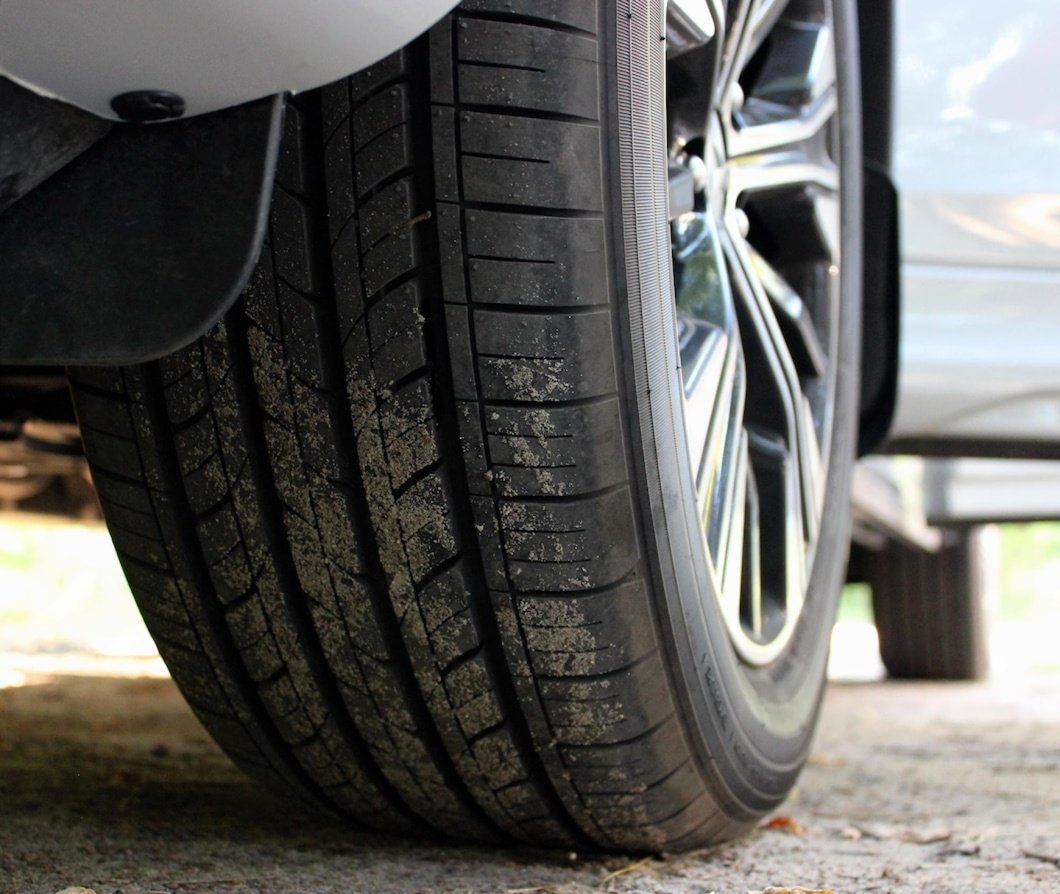
Car owners often wonder about the lifespan of their vehicle parts. Tires are a major financial investment for most drivers. Buying new rubber takes a big chunk out of your automotive budget. People want to know the expected timeline for their purchase to plan.
All-season options remain popular around the globe because they offer year-round capabilities in diverse weather. At Rim and Tire Pro, we answer questions about this topic regularly. You deserve a clear picture regarding your routine vehicle upkeep. Knowing the timeline helps you manage your upcoming expenses smartly.
In this blog, we’ll explain the factors determining rubber lifespan and help you get the most out of your purchase.
Understanding the Basics of Rubber Longevity
Most manufacturers provide a mileage warranty for their modern products. The promised distance ranges between fifty and eighty thousand miles for average drivers. Rubber compounds break down over the years, no matter what you do. At Rim and Tire Pro, we advise replacing the rubber after six years of active use. You should never ignore the physical age of the rubber beneath your car. The materials lose their flexible nature after years of heat exposure.
The manufacturing date is stamped on the outer sidewall for your reference. Checking this printed date helps you track the physical age over the seasons. Aging materials become brittle and lose their grip on wet pavement. A good tread pattern matters quite a bit for steering control. Old rubber creates driving hazards in bad weather conditions.
Mileage Ratings and Actual Driving Environments
Warranty numbers represent ideal conditions in a controlled testing environment. Everyday driving exposes your vehicle to many unpredictable elements on the road. Potholes and rough pavement accelerate the degradation. Urban environments present different challenges than open rural highways. Your everyday commute plays a huge role in ongoing tire health.
Consider the distinct factors that shorten the expected lifespan of your rubber:
- Driving on unpaved or neglected rural roads
- Commuting through areas filled with heavy construction debris
- Exposing the vehicle to extreme summer heat day after day
- Stopping fast in heavy stop-and-go urban traffic
Heavy traffic congestion puts more stress on the rubber with constant braking. Adjust your expectations based on your specific location and common travel routes.
How Driving Habits Affect Tire Lifespan
Aggressive driving habits are terrible for your automotive equipment in the long run. Hard braking and rapid acceleration scrub miles off your tread in a hurry. Cornering at high speeds generates excessive heat and friction against the asphalt. The added friction causes the rubber to wear down faster than expected. Your actions behind the wheel dictate how long your components last.
We encourage all drivers to adopt smoother driving techniques on the road. Coasting to a stop is better than slamming on the brakes at the last second. Gentle acceleration saves fuel and preserves your tread depth at the exact same time. A responsible driver spends far less money on replacement parts over the years. Better driving habits result in safer travels for everyone inside the car.
The Importance of Routine Vehicle Upkeep
Routine maintenance is the best way to protect your automotive investment over the years. Checking your air pressure each month prevents uneven wear patterns from forming. Underinflated tires generate heat and wear out the outside edges fast. Overinflated tires wear out down the center strip of the tread area.
Rotations and alignments are important for maximizing lifespan on your current set. Front tires handle the steering and bear the heavy engine weight. The front wheels experience much different stress than the rear wheels. Rotating them every five thousand miles ensures an even tread reduction process. Misaligned wheels will destroy a brand new set in a matter of months. At Rim and Tire Pro, we handle your required maintenance needs with great care.
Spotting the Signs of Wear and Tear
You must inspect your vehicle for signs of damage on a routine basis. Visual inspections take a few minutes of your time in the driveway. You want to look for specific indicators that your rubber is failing under pressure. You can find small problems before they turn into huge repair bills.
Pay close attention to the distinct warning signs during your visual inspections:
- Cracks or deep cuts appearing along the outer sidewall
- Bubbles or strange bulges forming on the rubber surface
- Uneven tread wear between the left and right sides
- Tread depth falling below the safe minimum legal limit
A shallow tread increases the risk of hydroplaning during heavy rain storms. Replacing worn equipment prevents dangerous accidents on wet roads during the rainy season. Ignoring the warning signs puts your safety at great risk over time.
Temperature Changes and Rubber Degradation
All-season options handle a variety of climates and conditions with ease. They provide acceptable performance in spring alongside summer and autumn weather. Extreme temperature fluctuations take a big toll on the compound in the end. The materials expand in the heat and contract in the bitter cold. This constant shifting accelerates the natural aging process of the commercial product.
At Rim and Tire Pro, we know winter weather introduces another layer of stress on the materials. Cold temperatures make the rubber become quite stiff and rigid on the pavement. The extreme stiffness reduces traction and increases the wear rate on the roads. Using specific winter models preserves your primary set for a longer duration. Swapping them out gives the rubber a needed break from the harsh elements. Proper storage in a climate-controlled space preserves the rubber for next season.
Conclusion
Taking care of your vehicle ensures a smoother driving experience. The lifespan of your wheels depends on your everyday habits and environment. Regular maintenance and proper inflation are your best defense mechanisms. At Rim and Tire Pro, we want you to avoid costly surprises on the road.
Are you concerned about the condition of your current wheels? Do not delay your necessary vehicle maintenance any longer. Bring your car into the shop for a comprehensive inspection. Contact us at Rim and Tire Pro to book an appointment. We are ready to provide top-quality service for your vehicle.
Back


